Posted on 5/29/2026
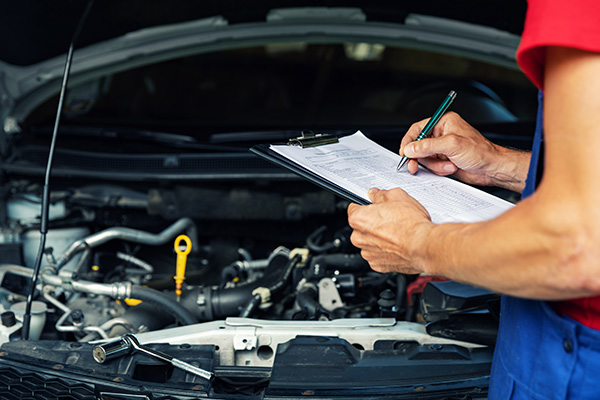
Cars are good at hiding problems for a while. They start, drive, and make it through the week, even when something underneath is already wearing, leaking, or heating more than it should. That is why small changes deserve more attention than most drivers give them. Not every noise or smell means a huge repair is coming. Still, certain signs are worth checking early because they usually tell you the vehicle is moving out of its normal range. 1. Warning Lights On The Dashboard A warning light is the car telling you it saw something outside the expected range. The check engine light, battery light, oil pressure light, brake warning light, ABS light, or temperature warning light all indicate systems that need attention. Some lights give you more time than others. A steady check engine light can usually be scheduled soon. A flashing check engine light, an oil pressure warning, or an overheating warning requires faster action. In our shop, we treat the light as a clue, th ... read more
Posted on 4/30/2026

It is one of the most unpleasant surprises your car can throw at you: a smell that reminds you of old gym socks, a damp towel, or something that has been sitting wet for far too long. At our shop, we hear this complaint all the time, especially when temperatures start rising and people begin using their air conditioning more regularly. The good news is that this smell is common. The bad news is that it usually means moisture and contamination have built up somewhere in the HVAC system, and it is not something that usually goes away on its own. If your car smells fine until you turn on the air, that is an important clue. It tells us the problem is likely tied to the ventilation or air conditioning system, not just a forgotten gym bag hiding under the seat. And yes, while the smell may be common, that does not mean you should keep putting up with it. Why That Smell Happens In The First Place Your vehicle’s air conditioning system naturally creates condensation ... read more
Posted on 3/27/2026
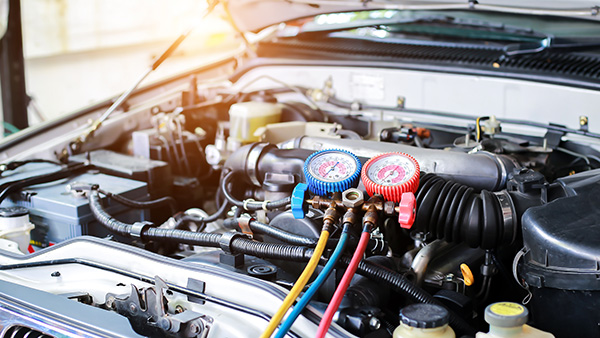
A hissing sound from the A/C can be weirdly hard to place. It might show up only at certain fan speeds, only when the air first turns cold, or only when you shut the car off. Because the A/C still cools, it’s tempting to shrug it off and hope it stays that way. The details of when the hiss happens are what usually point to the real cause. What The Hissing Sounds Like And When It Shows Up Most drivers describe it as a soft shhh sound, like air escaping through a narrow opening. Sometimes it lasts a second or two and disappears. Other times it’s steady while the A/C is running and gets louder when you change fan speed. Pay attention to timing. If it happens right when you turn the A/C on or off, that can mean the system is equalizing pressure. If it only happens inside the cabin and changes with vent settings, the noise may be coming from the HVAC box rather than the refrigerant side. Normal Hissing or a Leak Clue Some hissing is normal ... read more
Posted on 2/25/2026
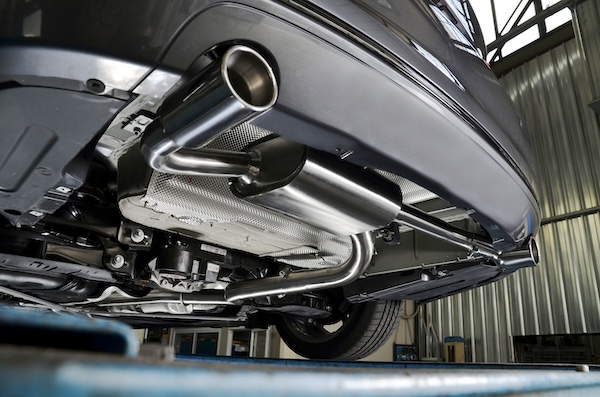
If your car suddenly sounds louder than usual, rattles when you start it, or makes an odd humming noise while driving, your muffler may be trying to get your attention. The muffler is a key part of your vehicle’s exhaust system, designed to reduce noise, direct harmful gases away from the engine, and help your car run efficiently. When it starts to fail, it’s not just an annoyance. It can affect performance, fuel economy, and even safety. Understanding common muffler problems and knowing when to seek repairs can save you money and prevent more serious exhaust system damage. What Does the Muffler Do The muffler dampens the sound waves generated by exhaust gases exiting the engine. As those gases travel through the exhaust system, the muffler uses chambers and perforated tubes to reduce noise before the gases exit through the tailpipe. It also plays a role in controlling backpressure, which helps maintain proper engine performance. When the muffler is damaged or deteriora ... read more
Posted on 1/30/2026

Underinflated tires are one of those issues that can sit in the background for a long time. The car still drives, so it’s easy to put it off. But little changes start creeping in. The steering needs more correction, the car feels less settled in turns, and you notice you’re filling up sooner than you used to. A lot of the time, it comes down to tire pressure being lower than it should be. Why A Few PSI Makes Such A Big Difference Tires carry the vehicle’s weight and manage every steering, braking, and acceleration input. When pressure drops, the tire flexes more as it rolls. That extra flex creates heat and increases rolling resistance, which means the engine has to work harder to maintain speed. Low pressure also changes the shape of the tread where it meets the pavement. Instead of a stable, even contact patch, the tire deforms more under load. That can make the car react slower to steering inputs and feel less predictable when the road surface ... read more