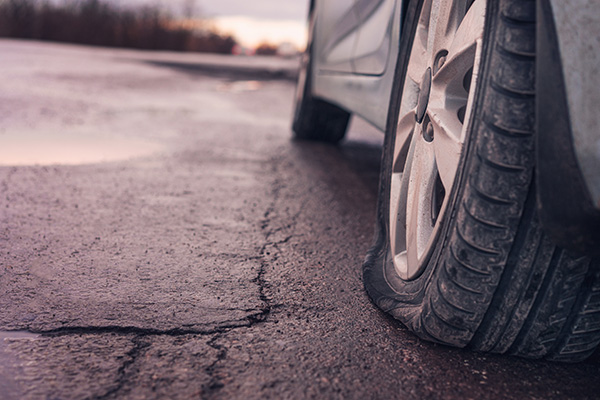
Underinflated tires are one of those issues that can sit in the background for a long time. The car still drives, so it’s easy to put it off. But little changes start creeping in. The steering needs more correction, the car feels less settled in turns, and you notice you’re filling up sooner than you used to.
A lot of the time, it comes down to tire pressure being lower than it should be.
Why A Few PSI Makes Such A Big Difference
Tires carry the vehicle’s weight and manage every steering, braking, and acceleration input. When pressure drops, the tire flexes more as it rolls. That extra flex creates heat and increases rolling resistance, which means the engine has to work harder to maintain speed.
Low pressure also changes the shape of the tread where it meets the pavement. Instead of a stable, even contact patch, the tire deforms more under load. That can make the car react slower to steering inputs and feel less predictable when the road surface changes.
How Underinflation Changes Handling
One of the first things drivers notice is that the steering feels less crisp. The car can drift slightly and require more small corrections, especially at higher speeds. In corners, the vehicle may take a moment longer to settle because the tire sidewall is flexing more than designed.
Braking can change too. With low pressure, the tire may not hold its shape as well under weight transfer, which can reduce confidence during harder stops. If only one tire is low, the car may pull toward that side, and you may notice it most when braking or driving on crowned roads.
Fuel Economy Takes The Hit Over Time
Low pressure creates drag, and drag costs fuel. It’s not always dramatic from one drive to the next, but over a month of commuting, it adds up. Your engine is doing extra work just to overcome the rolling resistance of tires that are squishing more than they should.
This is also why some drivers notice the car feels a bit more sluggish than usual. It’s not always an engine issue. Sometimes it’s simply the tires fighting the road more than they should.
Tread Wear Gets Weird, And You Lose Tire Life Faster
Underinflated tires tend to wear faster on the outer edges. The shoulders scrub more because the tire is riding on the edges instead of staying flat across the tread. The center may still look okay at a glance, which is why it’s easy to miss until the wear is advanced.
Uneven pressure across a set can create uneven wear patterns as well. If the front tires are low and the rear tires are closer to spec, you can end up with tires that age at different rates. That can affect traction and handling, and it can make it harder to keep the car balanced over time.
Why Tires End Up Underinflated In The First Place
Temperature is a big one. Pressure drops as the air gets colder, so a cool week can knock tire pressure down enough to cause noticeable changes, even if there’s no puncture. Slow leaks are another common reason. A nail, a small screw, or a leak at the valve stem can drop pressure gradually, which is why the problem sneaks up on people.
Wheels can contribute too. Corrosion around the bead area where the tire seals to the wheel can allow small leaks, especially on older wheels or vehicles that see a lot of moisture. And sometimes a tire has been driven low once, which can damage the internal structure and make it harder to hold pressure consistently afterward.
Common Mistakes That Keep The Problem Going
A lot of underinflation problems linger because of how people check pressure.
Checking tire pressure right after a long drive can give inflated readings because heat builds in the tires. Using the pressure listed on the tire sidewall is another common mistake, because that number is the tire’s maximum rating, not what your vehicle needs. The correct spec is on the door sticker, and front and rear pressures are sometimes different.
Relying only on the tire pressure warning light is another trap. That light usually comes on after the tire is already significantly low. By then, the tire had been running hot and wearing oddly for a while.
A Simple Routine That Prevents Most Of This
If you want an easy plan, check tire pressure about once a month and before longer drives. Do it when the tires are cold, before you’ve been on the road much. Use the pressure listed on the driver door sticker, and adjust all four tires, not just the one that looks low.
If you find the same tire lower than the others more than once, that’s your sign to have it inspected. Small punctures and slow leaks are often repairable if you catch them early. Waiting tends to turn a small fix into a tire replacement.
Get Tire Service in Gainesville, FL with Advanced Auto Care Center Florida
If your vehicle has been drifting, your fuel economy has dropped, or your tires keep losing pressure, we can check the tire pressures, inspect for leaks, and look at wear patterns to see what’s causing the problem. We’ll help you correct it before the tires wear out early or handling gets worse in wet weather.
Book your service at Advanced Auto Care Center Florida in Gainesville, FL, and we’ll help you protect your tires and get the vehicle driving the way it should.